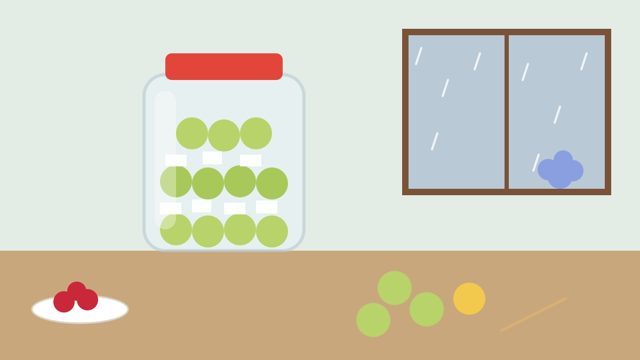
Ume Shigoto: How Japan Turns the Rainy Season Into a Gift for Your Future Self
What is Ume Shigoto?
In June, Japanese supermarkets suddenly fill with boxes of hard green plums, big glass jars and bags of rock sugar. For a few short weeks, kitchens across the country do the same thing: wash plums, pick out their stems with a toothpick, and pack them into jars with salt, sugar or alcohol.
This yearly ritual is called ume shigoto (梅仕事), "plum work." The results — sour pickled umeboshi, sweet plum syrup, plum liqueur — won't be ready for weeks, months or even years.
When is it in 2027?
Early to late June 2027, depending on the region and the weather. Green plums for syrup and liqueur come first; ripe yellow plums for umeboshi follow a little later. Umeboshi are then sun-dried in late July, after the rainy season ends.
Where it comes from
The Japanese ume (梅) is related to the apricot, and came from China over 1,000 years ago. Pickled ume appear in Japanese records from the Heian period and became a samurai staple: a salty, long-lasting food for travel and battle.
The ume harvest arrives together with the rainy season, which is even named after it: tsuyu is written 梅雨, literally "plum rain." Wakayama Prefecture, home of the famous Nankō variety, grows most of Japan's plums.
What people in Japan do
- Umeboshi (梅干し): ripe plums salted for weeks, then dried in the sun for three days and three nights in midsummer (doyō-boshi).
- Ume syrup (梅シロップ): green plums layered with rock sugar until they release a sweet-sour syrup. Mixed with soda, it's a favorite summer drink for kids.
- Umeshu (梅酒): green plums steeped in clear spirit with rock sugar, for adults.
- Hinomaru bento: one red umeboshi in the middle of white rice — it looks like the Japanese flag and was believed to help keep rice fresh.
Five ideas hidden inside Ume Shigoto
Bring Ume Shigoto home
Japanese ume can be hard to find abroad. Firm, unripe apricots or small plums make a good substitute for syrup.
- Buy 1 kg of firm green apricots or plums and 1 kg of rock sugar.
- Wash and dry them completely. Remove the stem bits with a toothpick. (Never eat raw green ume or unripe apricot pits.)
- Freeze the fruit overnight. It helps the juice come out faster.
- Layer fruit and rock sugar in a clean glass jar. Shake the jar gently once a day.
- After 10–14 days, when the sugar has dissolved, strain the syrup. Mix 1 part syrup with 4 parts soda water.
- Label the jar with the date — and a note to your future self.
Things that help with Ume Shigoto
FAQ
Are green ume poisonous? Raw unripe ume and their pits contain compounds that can be harmful, so don't eat them raw. Pickling, sugaring and steeping in alcohol make them safe to enjoy as intended.
Can kids have ume syrup? Yes — the syrup has no alcohol. Umeshu is for adults only.
What's next on the Japanese calendar
On June 30, at the exact midpoint of the year, shrines set up a giant grass ring for people to walk through and leave the first half of the year behind. Read our Nagoshi no Harae guide next.
Related guides: Miso & Nukazuke: Home Fermentation for Beginners · Bento System: 5 Prepped Dishes, 5 Lunches a Week