Labor Thanksgiving Day: The 1,300-Year-Old Rice Festival Hidden Inside a Modern Holiday
What is Labor Thanksgiving Day?
On the surface, Kinrō Kansha no Hi (勤労感謝の日) is a simple day off to thank people for their work. Children draw pictures for police officers, firefighters and their own parents.
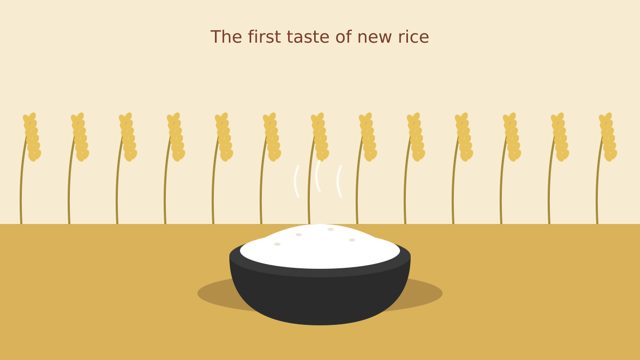
But underneath it lies one of Japan's oldest and most private rituals: Niiname-sai (新嘗祭), the "festival of tasting the new rice." On this night, the Emperor offers the year's first rice to the gods, then eats it with them, inside the Imperial Palace, by lamplight, far from cameras.
When is it in 2027?
Tuesday, November 23, 2027. The date is fixed every year.
Where it comes from
Rice has been the center of Japanese life for over 2,000 years. It was food, money and taxes. So the harvest festival was the most important event of the year, and it is recorded in the Nihon Shoki, written in 720.
After World War II, the American-led occupation separated religion from the state. In 1948, the old Niiname-sai holiday was renamed Labor Thanksgiving Day, "a day to honor work, celebrate production, and thank one another." The name changed, but the date — and the Emperor's private ceremony — stayed.
What people in Japan do
- Rest: it's a national holiday.
- Thank workers: schoolchildren make cards for local workers, often delivered to police boxes (kōban).
- Eat new rice (shinmai): the first rice of the year is fresher and sweeter, and stores promote it heavily.
- Visit shrines: many hold their own Niiname-sai ceremonies, especially Ise Jingu and Meiji Jingu.
- Attend labor-related events organized by unions and local governments.
Five ideas hidden inside Labor Thanksgiving Day
Bring the day home
- Write a thank-you note to someone whose work you rely on but rarely notice: a mail carrier, a cleaner, a farmer at the market.
- Cook a pot of new-season rice and eat it plain to taste the difference.
- Say "itadakimasu" before eating: "I humbly receive" — thanks to everyone and everything behind the meal.
- Share a meal with the people you work with.
- Learn where one food on your table came from.
Things that help with Labor Thanksgiving
FAQ
Can tourists see Niiname-sai? The Emperor's ceremony is private. But you can visit shrines like Meiji Jingu, where public events and offerings of produce are often displayed.
Is it like American Thanksgiving? Both thank the harvest, but there's no big family feast or turkey. It's quieter.
What's next on the Japanese calendar
On December 13, 2027, Japan begins its year-end preparations with Susuharai, the great soot-sweeping clean. Read that guide next.
Related guides: The Japanese Art of Rice · Itadakimasu: Japanese Table Manners