Shichi-Go-San: Why Japan Celebrates Children at Ages 3, 5 and 7
What is Shichi-Go-San?
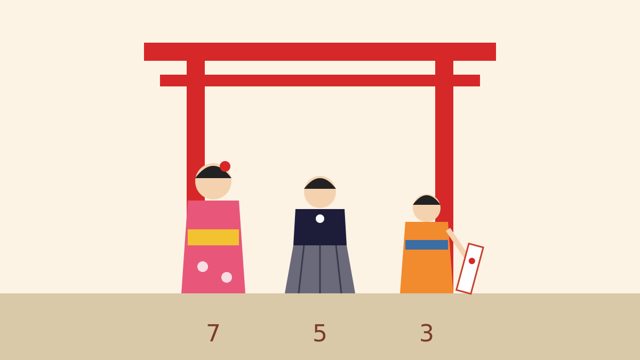
In mid-November, Japanese shrines fill with tiny people in kimono. Three-year-olds in bright silk, five-year-old boys in formal hakama trousers, seven-year-old girls wearing their first real obi sash. Proud parents take hundreds of photos, and every child walks home holding a long, thin bag of red-and-white candy.
This is Shichi-Go-San (七五三), literally "seven-five-three," a rite of passage that thanks the gods for a child's healthy growth.
When is it in 2027?
Monday, November 15, 2027. It is not a public holiday, so many families visit on the weekend before or after — anytime from October to late November.
Where it comes from
For most of history, many children in Japan didn't survive to adulthood. People said that "until seven, a child belongs to the gods." So each stage a child passed was a real reason to celebrate.
Three old ceremonies came together:
- Age 3, Kamioki: children's heads had been shaved; now they could grow their hair.
- Age 5, Hakamagi: boys wore hakama for the first time.
- Age 7, Obitoki: girls changed from simple cords to a real obi sash.
The date of November 15 is said to come from 1681, when the shogun Tokugawa Tsunayoshi prayed for his sickly son's health on that day.
What people in Japan do
- Dress up: kimono or hakama, often rented, with hair and makeup at a photo studio.
- Visit a shrine to pray and receive a blessing from a priest.
- Take formal family photos, often a big event in itself.
- Get chitose-ame, "thousand-year candy": long red and white sticks in a bag decorated with cranes and turtles, symbols of long life.
- Have a family meal with grandparents.
Five ideas hidden inside Shichi-Go-San
Bring Shichi-Go-San home
- Mark a milestone age with a small ceremony, even outside Japan.
- Dress up and take one formal family photo every few years in the same place.
- Write a letter to your child at 3, 5 and 7, to read when they're grown.
- Share long candy and explain what it means.
- Thank someone who helped your child grow: a teacher, a grandparent, a doctor.
Things that help with Shichi-Go-San
FAQ
Do all children do 3, 5 and 7? Traditionally girls at 3 and 7, boys at 5 (and sometimes 3). Today many families celebrate all ages for every child.
Do you count age differently? Traditionally, by kazoedoshi (you are 1 at birth). Now most families use real age.
What's next on the Japanese calendar
On November 23, 2027, Japan gives thanks for work and the rice harvest on Labor Thanksgiving Day, which hides a 1,300-year-old imperial ceremony. Read that guide next.
Related guides: Japanese Baby & Childhood Rituals · How to Wear a Kimono