Spring Higan: What Japan Does When Day and Night Are Equal
What is Higan?
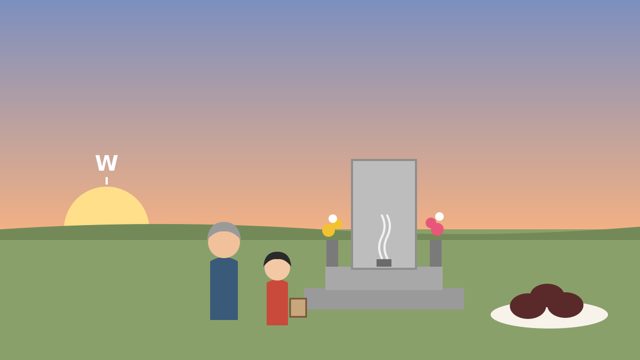
Around the spring equinox, Japanese families do something quietly beautiful. They visit the family grave together, scrub the stone, pull the weeds, place fresh flowers and light incense. Then they go home and eat soft rice balls covered in sweet red bean paste.
This week is Higan (彼岸), and its center is Shunbun no Hi (春分の日), Spring Equinox Day, a national holiday. The word higan means "the other shore" — in Buddhism, the far side of the river of suffering, where our ancestors rest.
When is it in 2027?
Spring Equinox Day: Sunday, March 21, 2027 (with Monday, March 22 as a substitute holiday). Higan week: March 18–24, the equinox plus three days on each side.
Where it comes from
At the equinox, the sun rises due east and sets due west. In Pure Land Buddhism, paradise lies in the west. So people believed that on these days, the boundary between this world and the next was at its thinnest, and the setting sun pointed straight at the place their ancestors had gone.
Visiting graves at the equinox is a custom largely unique to Japan, and it has been practiced since at least the Heian period. Japan made both equinoxes national holidays after the war, describing the spring one as a day "to praise nature and care for living things."
What people in Japan do
- Visit and clean the family grave (ohakamairi), often several generations together.
- Offer and eat botamochi (牡丹餅): rice balls coated in red bean paste. In autumn the same sweet is called ohagi.
- Pray at the household Buddhist altar at home, with flowers and incense.
- Say the old proverb "Atsusa samusa mo higan made" — "Heat and cold both last only until Higan."
Five ideas hidden inside Higan
Bring Higan home
- Visit a grave or a memorial place of someone important to you, even if it's far from Japan. If you can't, set up a small table with their photo, a flower and a candle.
- Clean something of theirs. A photo frame, a watch, a book they gave you.
- Tell one story about them at dinner, especially to younger people who never met them.
- Make botamochi: cook sticky rice, lightly mash it, roll into balls and coat with sweet red bean paste.
- Watch the sunset on the equinox. It sets almost exactly due west. Notice where it goes down.
Things that help with Higan
FAQ
Do I need to be Buddhist? No. Most Japanese families follow these customs as family tradition.
What if my family's grave is far away? Many people now "visit" by video call with relatives at the grave, or simply remember at home.
What's next on the Japanese calendar
From late March, Japan goes outside for Hanami, cherry blossom viewing — and a nationwide lesson in enjoying things that don't last. Read that guide next.
Related guides: Ikigai Isn't a Venn Diagram · Mottainai: Zero-Waste Habits from Japan