Tōji: How Japan Turns the Darkest Day into a Hot Citrus Bath
What is Tōji?
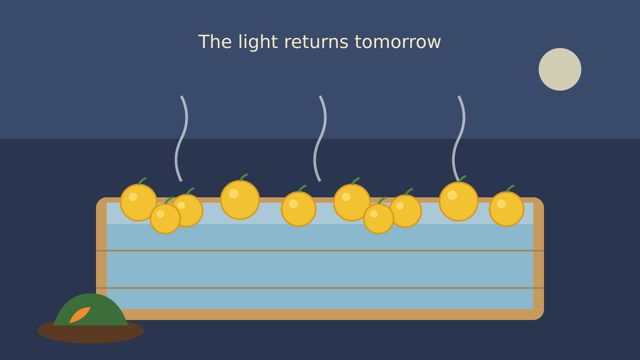
On the shortest day of the year, Japanese public baths float hundreds of bright yellow yuzu citrus fruits in their hot water. The steam smells of lemon and pine. At home, families drop a few yuzu into their own bathtub and eat simmered pumpkin for dinner.
This is Tōji (冬至), the winter solstice. It's not a holiday, and there are no parades. It's a small, warm, sensory tradition that helps people get through the darkest day.
When is it in 2027?
Wednesday, December 22, 2027.
Where it comes from
In ancient East Asia, the winter solstice was the true start of the year. It was the day the sun was weakest, and after it the light began to return. In Chinese thought, it was when yin (dark) reached its peak and yang (light) was reborn. People called it ichiyō raifuku (一 陽来復), "the return of the light," which also came to mean "after bad times, good times come."
The yuzu bath became popular in the Edo period, when public bathhouses started the custom. Puns played a part: tōji also sounds like "hot-spring cure" (湯治), and yuzu sounds like "flexible" (融通). A body that takes a yuzu bath, people joked, will be healthy and adaptable all year.
What people in Japan do
- Take a yuzu bath (yuzu-yu): whole yuzu floating in the tub, or cut in half for a stronger scent.
- Eat kabocha pumpkin, a vegetable that stores well into winter and gives vitamins in the cold season.
- Eat foods with "n": there's a custom of eating foods whose names have two n sounds, like ninjin (carrot), renkon (lotus root) and nankin (pumpkin), for luck (un).
- Eat red bean dishes like pumpkin with azuki, to keep away bad spirits.
Five ideas hidden inside Tōji
Bring Tōji home
- Take a citrus bath: use yuzu, or lemons or oranges if you can't find yuzu. Wrap cut fruit in a mesh bag.
- Cook simmered pumpkin (kabocha no nimono) with soy sauce, mirin and sugar.
- Make an "n" menu: carrot, lotus root, udon (udon = undōn!) and more.
- Turn off the lights early and enjoy the long night with candles.
- Write one hope for the coming months: the light returns from tomorrow.
Things that help with Tōji
FAQ
Is yuzu safe for skin? Usually, but the peel can sting sensitive skin. Try a short bath first, or use whole fruit.
Do people go to work? Yes. It's not a holiday. The bath happens in the evening.
What's next on the Japanese calendar
On December 31, 2027, Japan ends the year with Ōmisoka: 108 temple bells and a bowl of long noodles. Read that guide next.
Related guides: Living by Japan's 72 Micro-Seasons · The Japanese Art of Bathing