Hachijū-hachiya: The 88th Night, Japan's First Tea, and the Wisdom of Counting Days
What is Hachijū-hachiya?
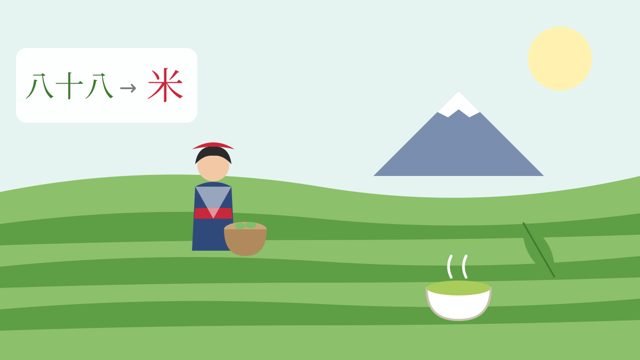
In early May, on the green hillsides of Shizuoka, Uji and Kagoshima, tea pickers move between rows of bright new leaves. Japanese shops start selling shincha, "new tea," the first and most fragrant harvest of the year. Old folk wisdom says that drinking tea picked on this day keeps you healthy for a year.
The day is called Hachijū-hachiya (八十八夜), "the 88th night." It is not a festival with a parade. It's a date farmers counted to — one of Japan's oldest pieces of practical, data-driven wisdom.
When is it in 2027?
Sunday, May 2, 2027 — the 88th day counting from Risshun (February 4) as day one.
Where it comes from
Hachijū-hachiya is a zassetsu (雑節), one of a set of extra seasonal markers that Japan added to the Chinese solar calendar to fit its own climate and farming. Over centuries, farmers learned that frost rarely came after about 88 days from the start of spring. A saying captured it: "hachijū-hachiya no wakare-jimo" — "the farewell frost of the 88th night." After this, it was safe to sow rice seedlings and pick tea.
There's also a lucky coincidence: the characters for eighty-eight (八十八), stacked together, form the character for rice (米). For a farming culture, it felt like a blessing written into the calendar.
What people in Japan do
- Drink shincha, the first-flush green tea, often sold with "88th night" labels.
- Tea-picking events at farms in Shizuoka, Uji (Kyoto) and Sayama, where visitors pick leaves in traditional costume.
- Sing "Chatsumi" (Tea Picking), a children's song that begins: "Summer is drawing near, the 88th night..."
- Plant summer vegetables in home gardens, trusting the frost is over.
Five ideas hidden inside Hachijū-hachiya
Bring Hachijū-hachiya home
- Count your own 88 days. If you started something on February 4, today is the day to review it.
- Brew first-flush green tea properly: water around 70°C (160°F), steep 60 seconds, and taste how sweet it is.
- Plant something after your local last frost date: herbs, tomatoes, beans.
- Eat one "first" of the season: the first strawberries, asparagus or new potatoes. Say "75 more days!" as you eat.
- Make a work song for a boring chore at home. Kids love this one.
Things that help with Hachijū-hachiya
FAQ
Is shincha caffeinated? Yes, like all green tea, though often slightly less bitter than later harvests.
Can I visit a tea farm? Several regions offer tea-picking experiences in late April and May. Book ahead in Golden Week.
What's next on the Japanese calendar
On May 5, carp streamers fly over Japanese homes for Children's Day — and the story of a fish that swims up a waterfall. Read that guide next.
Related guides: Japanese Interval Walking: A 30-Day Plan · Living by Japan's 72 Micro-Seasons