Obon: Why Japanese Families Make a Cucumber Horse and an Eggplant Cow for Their Ancestors
What is Obon?
In mid-August, Japan empties its cities. Trains and highways fill as millions of people return to their hometowns. Families light small fires at the front door, hang paper lanterns, clean the family grave and set out food at the household altar. On the windowsill sit two odd figures: a cucumber with chopstick legs, and an eggplant with chopstick legs.
This is Obon (お盆), when the spirits of ancestors are believed to come home for a few days. It isn't a sad holiday. It's a family reunion that includes the people who are no longer here.
When is it in 2027?
Friday, August 13 to Monday, August 16, 2027 in most of Japan. Tokyo and a few other areas hold Obon in July (13–16), following the modern calendar.
Where it comes from
Obon comes from the Buddhist festival Urabon-e. In the best-known story, a disciple of the Buddha named Mokuren used his powers to see his late mother, and found her suffering among the hungry spirits. The Buddha told him to make offerings to the community of monks on a certain day. He did, his mother was freed, and he danced with joy — often said to be the origin of bon-odori dancing.
In Japan, this Buddhist story blended with much older beliefs that ancestors return to the family home at certain times of year, and Obon became the most important family gathering of summer.
What people in Japan do
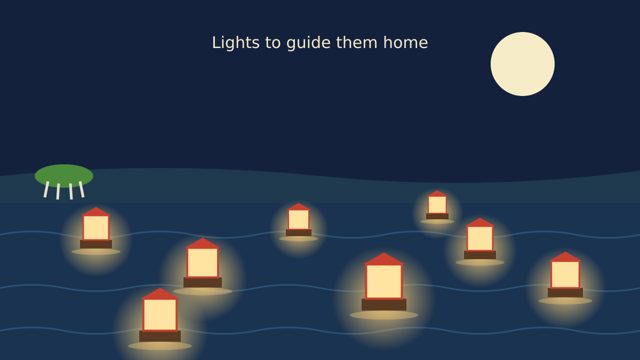
- Mukaebi (迎え火): on the 13th, light a small fire or lantern at the door so the spirits can find their way home.
- Shōryō-uma (精霊馬): make a cucumber horse and an eggplant cow.
- Offer food at the altar: fruit, vegetables, rice and the favorite dishes of the people being remembered.
- Visit and clean the grave.
- Dance bon-odori at local festivals.
- Okuribi (送り火): on the 16th, send the spirits back with fire. Kyoto lights giant bonfire characters on its mountains; some towns float paper lanterns down rivers (tōrō nagashi).
Five ideas hidden inside Obon
Bring Obon home
- Make a cucumber horse and an eggplant cow with your kids: four toothpicks or chopsticks each. Explain why one is fast and one is slow.
- Set up a small table with photos of family members who have died, flowers, a candle and a little of their favorite food.
- Cook one dish someone you've lost loved, and tell a story about them at dinner.
- Light a lantern or candle at the door on the first evening, and again on the last.
- Call a relative you haven't spoken to in a while. Obon is a homecoming for the living too.
Things that help with Obon
FAQ
Is Obon a public holiday? Not officially, but many companies close for several days, and it's one of the busiest travel times of the year.
Can non-Buddhists observe Obon? Yes. Most Japanese families treat it as family tradition, and the idea of welcoming loved ones home is universal.
What's next on the Japanese calendar
On September 9, Japan quietly marks the Chrysanthemum Festival, the last and least-known of the five seasonal festivals. Read our Chōyō no Sekku guide next.
Related guides: Ikigai Isn't a Venn Diagram · Japanese Milestone Celebrations for Families