Tsukimi: Japan's Moon-Viewing Night and the Beauty of the Almost-Full Moon
What is Tsukimi?
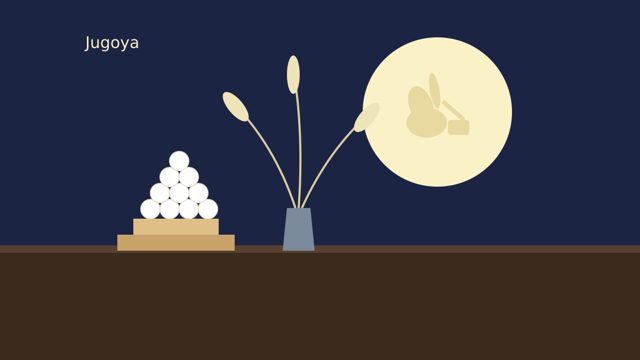
On one autumn evening, Japanese families set a small table by the window or on the veranda. On it: a pyramid of white rice dumplings, a vase of silver pampas grass, and some autumn vegetables. Then they turn off the lights and do something rare in modern life. They look up at the moon, together, and that's all.
This is Tsukimi (月見), moon viewing, held on Jūgoya (十五夜), "the fifteenth night" of the eighth month in the old lunar calendar — the night of the meigetsu, the most beautiful moon of the year.
When is it in 2027?
Wednesday, September 15, 2027. Fun fact: the moon is technically full the next morning (September 16). The traditional date and the astronomical full moon often differ by a day or two — and nobody minds.
Where it comes from
Moon viewing came from China's Mid-Autumn Festival and reached the Japanese court in the Heian period. Aristocrats held elegant parties with poetry and music. Interestingly, they often didn't look at the moon directly: they admired its reflection in ponds, in boats and even in their sake cups.
Over time, common people connected the full moon with the harvest. The pampas grass (susuki) stood in for rice plants, which weren't yet ready to cut, and families offered dumplings and taro to thank the moon for the crops. The night is still sometimes called imo meigetsu, "potato harvest moon."
What people in Japan do
- Offer tsukimi dango: usually 15 white rice dumplings stacked in a pyramid on a small wooden stand.
- Display susuki (pampas grass), said to protect against bad luck.
- Offer autumn produce: taro, sweet potatoes, chestnuts, grapes.
- Look for the rabbit. Japanese people see a rabbit pounding rice cakes on the moon's surface, not a man's face.
- View the moon again a month later on Jūsanya (十三夜), the thirteenth night. Viewing only one of the two was once considered unlucky.
Five ideas hidden inside Tsukimi
Bring Tsukimi home
- Set up a moon table near a window: a few dumplings or round sweets, some tall grass or seed heads, and seasonal fruit.
- Make tsukimi dango: mix glutinous rice flour with water, roll small balls, boil until they float, cool in ice water.
- Turn off every screen for 20 minutes and just look at the moon together.
- Find the rabbit. Ask kids what they see.
- Put a date in your calendar for the second moon, about a month later.
Things that help with Tsukimi
FAQ
Why 15 dumplings? For the fifteenth night. Some families use 12 (one per month) or 13 in leap years.
What if it's cloudy? Japanese even have words for that: mugetsu (no moon) and ugetsu (rain moon). Enjoying the moon you can't see is part of the tradition.
What's next on the Japanese calendar
On September 20, 2027, Japan celebrates Respect for the Aged Day — in the country with one of the world's longest life expectancies. Read that guide next.
Related guides: Wabi-Sabi Home Decor on a Budget · Living by Japan's 72 Micro-Seasons