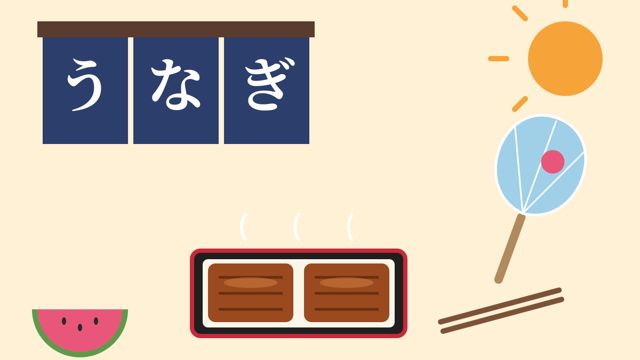
Doyō no Ushi no Hi: How (Legend Says) One Shop Sign Made a Whole Country Eat Eel
What is Doyō no Ushi no Hi?
On one hot day in late July, the smell of grilled eel drifts out of restaurants and supermarkets all over Japan. Signs and banners read 土用丑の日 — "Day of the Ox in Doyō" — and long lines form for unagi (eel) grilled in a sweet soy glaze and served over rice.
This is Doyō no Ushi no Hi (土用の丑の日). It's Japan's answer to the hottest stretch of summer: eat something rich and nourishing, right when your body is most worn out.
When is it in 2027?
Wednesday, July 21, 2027. In 2027 there is also a second Ox day, called ni no ushi, on Monday, August 2.
Where it comes from
Doyō (土用) is the period of about 18 days before each change of season on the old calendar — four times a year. The summer doyō, ending just before the official start of autumn, is the hottest and most exhausting. Ushi is the Ox in the twelve-animal cycle used to count days, so "the Day of the Ox in Doyō" comes once or twice each summer.
People have recommended eel against summer fatigue for a very long time: a poem in the 8th-century Man'yōshū anthology tells a thin friend to eat eel to get through the summer. A folk rule also said to eat foods starting with "u" on the Ox day: udon, umeboshi, uri (melon)... and unagi.
The most famous story is a marketing legend. In the Edo period, an eel shop whose sales slumped in summer asked the inventor and writer Hiraga Gennai for advice. He supposedly told the owner to post a sign: "Today is the Day of the Ox." The shop was packed, other shops copied it, and a custom was born. Historians aren't sure the story is true, but Japan loves telling it.
What people in Japan do
- Eat unagi as kabayaki (grilled and glazed) or unadon / unajū (over rice), with a sprinkle of sanshō pepper.
- Eat other "u" foods when eel is too expensive: udon, umeboshi, cucumber and watermelon.
- Doyō-boshi: air out clothes and books in the summer sun, and dry umeboshi.
- Avoid starting earthworks, an old taboo during doyō periods.
Five ideas hidden inside Doyō no Ushi no Hi
Bring Doyō no Ushi no Hi home
- Mark the hottest week of your year in your calendar and plan one nourishing meal for it.
- Cook a "u" dinner: udon noodles, cucumber salad with umeboshi dressing, watermelon for dessert.
- Try a kabayaki glaze on grilled salmon, chicken or eggplant: soy sauce, mirin, sugar and sake, simmered until thick.
- Air out your closet on a dry, sunny day — doyō-boshi.
- Take it easy during your own "in-between" weeks: after a project ends, before a new job starts.
Things that help with Doyō no Ushi no Hi
FAQ
Is eating eel sustainable? Japanese eel is listed as endangered. If you'd like to join the custom with a lighter footprint, choose other "u" foods or kabayaki-style alternatives.
Why "Ox" day if it's about eel? The Ox refers to the old way of counting days, not to beef.
What's next on the Japanese calendar
All through July and August, Japan's towns hold summer festivals and fireworks displays that began as prayers against epidemics. Read our Natsu Matsuri & Hanabi guide next.
Related guides: Ichiju Sansai: The Japanese Plate Formula · Ofuro Ritual: Japanese Bathing for Better Sleep