Hanami: How Cherry Blossoms Teach a Whole Country to Enjoy What Doesn't Last
What is Hanami?
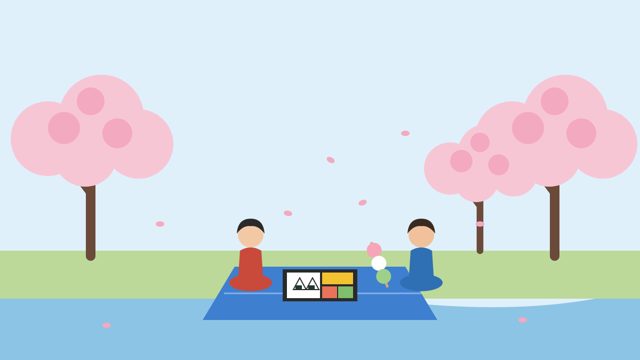
For about two weeks each spring, Japan rearranges its life around a tree. TV news tracks the "cherry blossom front" moving north. Office teams spread blue tarps under the branches and hold picnics that run late into the night. Families pack lunch boxes and walk along rivers lined with pink.
This is Hanami (花見), "flower viewing." On paper it's a picnic. In spirit, it's a national practice in noticing beauty because it is about to disappear.
When is it in 2027?
Usually late March to early April in Tokyo, Kyoto and Osaka. Okinawa blooms in January–February; Hokkaido in late April–May. Full bloom lasts only about a week, so Japan follows the official forecasts closely from early March.
Where it comes from
In the Nara period (710–794), Japanese aristocrats admired plum blossoms, a fashion imported from China. In the Heian period, taste shifted to the native cherry, and imperial courts held blossom-viewing parties with poetry and music. In 1598 the warlord Toyotomi Hideyoshi threw one of history's most famous hanami parties at Daigo-ji temple in Kyoto.
Hanami became a habit of ordinary people in the Edo period, when the shogun Tokugawa Yoshimune had cherry trees planted along rivers and hills around the city so commoners had places to enjoy them. Today, most cherry trees in Japanese cities are Somei-Yoshino, a variety propagated by grafting — so the trees are essentially clones, and they bloom almost at once.
What people in Japan do
- Watch the forecast (sakura zensen) and plan the weekend around "full bloom."
- Picnic under the trees with bento, drinks and friends. At popular parks, a junior team member may arrive early to claim a spot.
- Yozakura — viewing blossoms at night under lanterns.
- Eat sakura sweets: pink sakura mochi wrapped in a salted cherry leaf, hanami dango in three colors.
- Start something new. The Japanese school and business year begins in April, so blossoms and fresh starts arrive together.
Five ideas hidden inside Hanami
Bring Hanami home
- Find your tree. It doesn't have to be cherry: plum, magnolia, apple or any tree that flowers in your city.
- Check it every few days and invite people for the peak. The anticipation is part of the fun.
- Pack a simple bento: onigiri, a few side dishes, something pink.
- Do nothing for an hour. No agenda, no meeting disguised as a picnic.
- Write one short poem about what you see. Three lines is enough.
- Start one new thing this week, and connect it to the blossoms so you'll remember next year.
Things that help with Hanami
FAQ
When should I visit Japan for cherry blossoms? Check the official forecast from early March; peak dates shift by a week or more each year.
Can I drink alcohol at hanami? In many parks, yes, but rules vary. Some parks ban it, and all ask you to take your trash home.
What's next on the Japanese calendar
On April 8, Japanese temples celebrate the Buddha's birthday with flowers and sweet tea. Read our Hanamatsuri guide next.
Related guides: Bento System: 5 Prepped Dishes, 5 Lunches a Week · Wabi-Sabi Home Decor on a Budget