Hanamatsuri: Japan Celebrates the Buddha's Birthday With Flowers and Sweet Tea
What is Hanamatsuri?
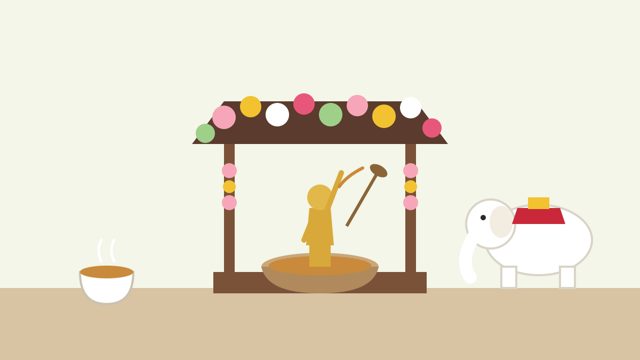
On April 8, temples across Japan set up a tiny shrine covered in fresh flowers. Inside stands a small statue of a baby, one hand pointing to the sky and the other to the earth. Visitors take a little ladle and pour sweet tea over the statue's head, then drink a cup of the tea themselves.
This is Hanamatsuri (花祭り), the Flower Festival, Japan's celebration of the Buddha's birthday. Its formal name is Kanbutsu-e (灌仏会), "the ceremony of bathing the Buddha."
When is it in 2027?
Thursday, April 8, 2027. Many temples hold events on the nearest weekend.
Where it comes from
According to Buddhist tradition, the Buddha was born in a flower garden at Lumbini, in what is now Nepal. The story says that as soon as he was born, he took seven steps, pointed up and down, and said: "Above heaven and below heaven, I alone am honored" (天上天下唯我独尊). Dragons in the sky poured sweet rain to bathe him.
Japanese temples have re-created that moment for over a thousand years. The flower-covered hut, the hanamidō, stands for the garden. The sweet tea, amacha (甘茶), stands for the sweet rain. Some temples also parade a large white elephant, recalling the dream the Buddha's mother had before his birth.
What people in Japan do
- Visit a temple and pour amacha over the baby Buddha statue.
- Drink a cup of amacha. It's made from the leaves of a type of hydrangea and tastes sweet without any sugar.
- Kindergartens and Buddhist schools hold parades with a white elephant float.
- An old folk charm: writing a short verse with ink mixed with amacha and pasting it upside down by the door was believed to keep insects away for the summer.
Four ideas hidden inside Hanamatsuri
Bring Hanamatsuri home
- Make a mini flower hut on a table: a small box or tray covered in fresh spring flowers.
- Brew a weak, naturally sweet tea (amacha if you can find it, or licorice or stevia leaf tea) and share it.
- Hold a "care birthday" for someone: instead of a gift, run them a bath, cook their favorite meal, put flowers by their bed.
- Tell each person at the table one thing that makes them uniquely precious.
- Visit a temple or a garden if there's one near you. Many Japanese Buddhist temples abroad hold Hanamatsuri events.
Things that help with Hanamatsuri
FAQ
Is amacha safe? Yes, when brewed weak as instructed. Very strong amacha can upset the stomach, so follow the package directions, especially for children.
Can non-Buddhists join? Yes. Temples welcome everyone, and many events are designed for families.
What's next on the Japanese calendar
On May 2, Japan marks the 88th night after the start of spring — the day for the year's first tea harvest. Read our Hachijū-hachiya guide next.
Related guides: Shinrin-yoku: A Practical Forest Bathing Guide · Ofuro Ritual: Japanese Bathing for Better Sleep